


Read the full article below: Tennessee paid $1.2M for execution drugs amid secrecy, failures: exclusive
Evan Mealins and Kelly Puente, October 22, 2026
The state of Tennessee has spent $1.175 million on lethal injection chemicals in recent years while failing to carry out two of its three recent executions.
Nearly all other details about the lethal injection drugs, like where they came from, remain hidden from the public.
An attorney who represents people on death row said there is “absolutely no transparency” around the chemicals.
“It’s an awful lot of money for the taxpayer to be expending without any additional information about it,” said Kit Thomas, deputy chief of the capital habeas unit in the Federal Defender’s Office.
Records show the Tennessee Department of Correction made two payments for procuring lethal injection chemicals since Jan. 1, 2023. One payment, which The Tennessean previously reported, was for $525,000. The other was for $650,000.
The records don’t show when the drugs were purchased, how much pentobarbital Tennessee received, the price per dose or whether any of the drugs have expired.
Tennessee resumed executions in 2025 under a new, single-drug lethal injection protocol using pentobarbital, following a three-year hiatus prompted by the state’s failure to follow its previous three-drug protocol.
Since resuming executions, Tennessee has executed four prisoners and unsuccessfully attempted to execute two others: Pike and Tony Carruthers.
TDOC has fought in court the release of nearly any information related to lethal injection, from the chemicals’ expiration date to how much training its IV team has. The department cites a state law that shields the identity of any employee or contractor participating in the execution process.
The department said it was “unable to comment at this time” when asked about the drug purchases.
Pentobarbital is a barbiturate used to treat certain seizure disorders and euthanize animals.
The state’s $1.175 million in payments far exceeds the cost of individual vials of manufactured pentobarbital, although records do not reveal how much of the drug Tennessee purchased or whether the payments covered related expenses for procuring the pentobarbital, such as transportation.
A 50-milliliter vial of manufactured pentobarbital at the concentration Tennessee uses for executions typically costs between $2,100 and $2,800, according to Michaela Almgren, a University of South Carolina pharmacy professor who submitted a report in ongoing death penalty litigation.
Tennessee’s execution protocol calls for the injection of either two or four 50 ml syringes of pentobarbital, depending on whether the person is still alive.
Under Tennessee’s lethal injection protocol, the execution team prepares two syringes of pentobarbital ahead of time. The state must also have enough pentobarbital on hand for two more syringes of the drug if the first round fails to kill the prisoner. The protocol does not say whether syringes that were not used in an execution attempt can be used in future executions.
All major manufacturers of pentobarbital won’t sell their drugs directly to states for executions. Some states have purchased manufactured lethal injection drugs outside the normal supply chain at a high markup as a result. Manufacturers have sued at least two states, Nevada and Nebraska, for using their drugs in lethal injections without their consent.
There is another way to get pentobarbital.
Through compounding, pharmacists can take raw ingredients and make specialized drugs at a pharmacy. Unlike manufactured medications, compounded drugs are not approved by the U.S. Food and Drug Administration.
TDOC has refused to reveal whether the pentobarbital it is using in executions is manufactured or compounded.
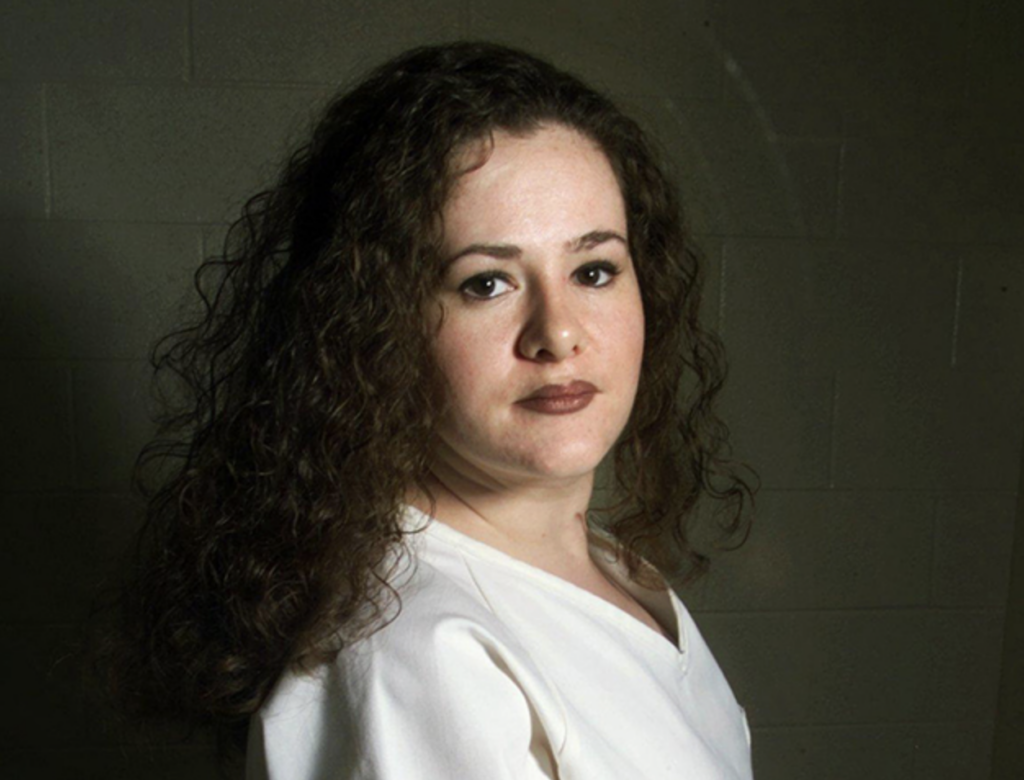
Pike, sentenced to death for a grisly 1995 murder in Knoxville, survived four 50 ml syringes of pentobarbital during the state’s failed attempt to execute her Sept. 30.
Her survival has raised new questions about the effectiveness of Tennessee’s lethal injection process, including whether the pentobarbital was properly prepared and administered.
Carruthers, convicted of killing three people who were abducted, shot and buried in a Memphis cemetery in 1994, walked out of the death chamber in May after the execution team failed to set the needed IV lines.
Gov. Bill Lee has paused executions in the state while an independent investigator reviews whether TDOC followed its protocol during Pike’s failed execution.
This is the second review of capital punishment in Tennessee undertaken during Lee’s tenure. The first revealed widespread problems with the execution process between 2018-2022, including a failure to properly test lethal injection drugs or provide a copy of the execution protocol to the pharmacy responsible for testing the drugs.
The Tennessee attorney general’s office recently told The Tennessean it paid Butler Snow law firm $269,403.08 for the investigation.
The records showing how much TDOC paid to procure lethal injection drugs were obtained through a public records request to the Tennessee Comptroller of the Treasury. The Tennessean sought all records showing payments for the procurement of lethal injection drugs between Jan. 1, 2023 and Oct. 1, 2026.
The Tennessean received records of two emails sent by outgoing TDOC Commissioner Frank Strada to Comptroller Jason Mumpower reporting the payments. The records provided to The Tennessean don’t show the dates the emails were sent.
Tennessee law shields the identities of people and companies involved in obtaining execution drugs, but it requires the state to publicly report certain payments to contractors involved in carrying out executions. The law also requires confidential information to be redacted rather than used as grounds to withhold otherwise public records.
Comments Off on Tennessee spent $1.175 million on lethal injection drugs